Meet Time: This Course runs biweekly on Tuesdays evenings from 5:30 p.m. to 8:30 p.m., from May 13 to October 14.
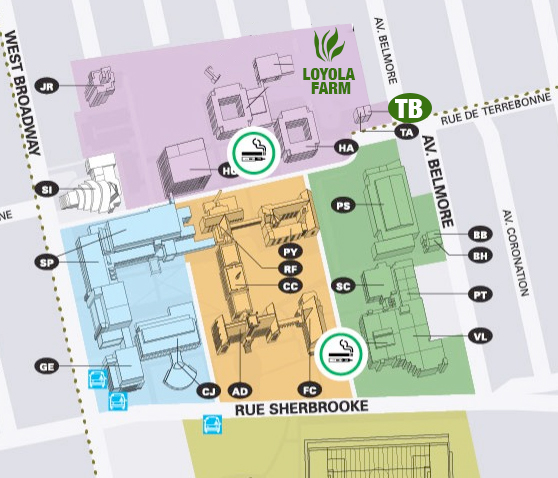
Loyola Farm Location: The Loyola Farm is located at the back of Concordia University, Loyola Campus – TB building. 7075 Rue de Terrebonne, Montreal, Quebec H4B 1E1.
Classroom Location: CC 214 or The Hive (depending on the day)
Welcome to the Urban Agriculture - Tuesday Course
Hello, everyone, we are Erik Chevrier, Ph.D., and Mohammed Al-Duais, Ph.D., and we are your course instructors. This page is your go-to resource for everything you’ll need to fully engage in the course. We recommend visiting it every Monday before our Tuesday class. Here, you’ll find the class plan, supplemental readings, PowerPoint presentations, as well as any updates or changes regarding meeting times (especially in case of rain).
Every Monday before your lesson, you’ll receive an email with details about the upcoming Tuesday class, including the lesson content and location. This information will also be posted on the course website. If you’re ever unsure about where to meet, please don’t hesitate to contact me using the email or phone buttons in the contact section.
We look forward to to meeting everyone on on May 13th! – Erik and Mohammed
Here is a list of items you should and could bring to each class.
You should bring:
1 – Sun protection (sunscreen, hat, long sleeve shirt, etc.) 2 – Insect protection (bug repellant, bug hat, long sleeve shirt, pants, etc.) 3 – Proper gardening shoes or boots. 4 – Gloves (we have some but they get sweaty). 5 – Notebook, pen, pencil. 6 – Water to drink. 7 – Basket or bag to take home produce. 8 – Love for growing food.
Items you could also bring:
9 – Gardening tools. We have some but you can bring your own if you wish too. 10 – Food for personal consumption and/or to share with others. 11 – A folding chair.
Course Schedule and Themes
The class plan will be available on the Monday preceding each class. While the dates remain fixed, please note that topics are subject to change based on weather conditions and course progress. Access the information for each class by clicking on the hyperlinks below.
This course is for anyone who is interested in learning about gardening, urban farming, and urban permaculture. Students in this course will gain knowledge on how to produce food in their own yards, balconies, community/collective gardens, and other urban spaces. For those who don’t have access to an urban space for practice, we will offer hands-on opportunities on one of Coop CultivAction’s farms to get hands-on experience.
The CultivAction Urban Agriculture course will equip participants with the knowledge, skills, practical experience, and critical understanding necessary to enact meaningful transformations within their local food system.
Agriculture is one of the leading sources of global pollution, industrial farming is destroying our biosphere and chemical pesticides and fertilizers have negative effects on our health. Buying locally grown food is a great way to minimize your environmental impact, and learning to grow your own food is even better! Food prices are on the rise; a study from Dalhousie University, the University of Saskatchewan, University of Guelph and University of British Colombia found that food prices increased by 10.3% in 2022. Growing your own food is a rewarding way to reduce your carbon footprint, save money and learn practical skills that you can share with others. Whatever your motivation, with a little bit of knowledge and practice, it is possible to grow an abundance of healthy fruits and vegetables and participate in a movement to cultivate a more resilient and food secure future.
Suggested Readings
Braiding Sweetgrass: Indigenous Wisdom, Scientific Knowledge, and the Teachings of Plants.
A Foodie’s Guide to Capitalism: Understanding the Political Economy of What we Eat.
Agroecology and Regenerative Agriculture: Sustainable Solutions for Hunger, Poverty and Climate Change.
Gaia’s Garden: A Guide to Home-Scale Permaculture.
The Essential Urban Farmer, Penguin Books.
About the Course
This urban agriculture course is offered biweekly for the entire growing season. The course consists of 16 engaging classes beginning in May finishing in November. The course is for adults of all ages who want to learn how to grow nutritious food in an urban setting. Whether you are looking to transform your property into an edible garden, learn how to maintain a community garden, or you want to improve your existing gardening skills, this course will provide you with theoretical knowledge and practical skills to support your journey towards becoming more self-sufficient.
Learning Goals
By the end of the course, students should be able to…



 English (Canada)
  Français du Canada