Cultivaction
[agrikon_wc_ajax_search]

Welcome to Cultivaction

Urban Agroecology Mini Course (Online)

Join the Urban Agroecology Movement!

The CultivAction Urban Agroecology Online Course invites you to participate in a social, ecological, and political movement that is reshaping local food systems. Industrial agriculture drives environmental destruction, climate instability, and social inequities, and global food systems often fail to provide equitable access to healthy food. Through urban agroecology, we work collectively to build resilient, sustainable, and community-centered food networks.

In this online course, you’ll learn how to design and manage productive urban gardens and farms, care for soil and water, plan seasonal plantings, integrate perennial and annual crops, and use agroecological principles to enhance the biodiversity and resilience of your growing space. Whether you tend a backyard, a balcony, or a shared urban farm plot, the knowledge you gain will allow you to put theory into practice, creating thriving spaces that benefit both people and the environment.

Beyond practical skills, the course emphasizes community-building, food sovereignty, and systemic thinking, showing how urban farming/gardening connects to broader ecological and social change. Participants leave with the knowledge and experience to cultivate productive, sustainable gardens and to actively contribute to stronger, more resilient urban food systems.

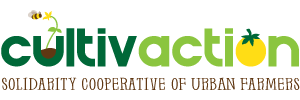
This online course is ideal for people with their own gardens, collective spaces, or farms who seek community learning but face challenges related to distance, timing, or travel.

Learn, Grow, Connect — From Your Own Space

The CultivAction Online Urban Agroecology Course is an online, welcoming introduction to growing food for people who want to learn at their own pace and from their own space. Whether you’re tending a balcony, backyard, rooftop, or community garden, this course helps you build practical gardening skills while understanding the bigger picture of urban food systems.

Through interactive online sessions, virtual field trips, and conversations with experienced growers, you’ll learn ecological growing techniques, soil preparation, planting, seasonal care, harvesting, and garden planning. Each lesson blends guided instruction with real-world practice so you can immediately apply what you learn in your own space.

Along the way, you’ll be introduced to agroecology — an approach to growing food that works with nature while strengthening communities. Agroecology emphasizes healthy soil, biodiversity, and ecological balance, while highlighting that how we grow food shapes access, equity, and care for the land. Even small gardens connect to larger food systems, community resilience, and food justice.

Just as important as what we grow is how we learn together. The course fosters a supportive online learning community where participants share discoveries, challenges, successes, and experiments in their own gardens. Through guided instruction and peer learning, you’ll build not only practical skills, but confidence, connection, and collective capacity.

By the end of the course, you’ll leave with the knowledge, confidence, and inspiration to cultivate food — and community — from wherever you are.

Schedule

This seven-session course takes place on one Monday evening per month from May to September. Each session is a live, two-hour online class from 6:00 p.m.-8:00 p.m. EST.

At the end of the course, students will be invited to an in-person get-together at the farm.

Requirements

A stable internet connection.
A computer or mobile device: Install the Zoom app on your device.
Audio capabilities: A microphone and speakers to hear and be heard.
Video capabilities : A webcam to see and be seen by other participants.

If you’re interested in more hands-on experience, consider our  in-person courses

About the Course

This five-session online course is designed for adults of all ages who want to learn how to grow nutritious food in an urban setting.

Running once a month from May to September, each two-hour live class provides a blend of theoretical knowledge, practical techniques, and interactive discussions to help you cultivate a productive and sustainable garden.

Whether you’re looking to transform your property into a thriving edible landscape, manage a community garden, or enhance your existing skills, this course will equip you with essential tools for success.

Topics include garden design, soil health, integrated pest management, plant ecology, seed saving, and preparing your garden for winter.

Each session features engaging activities and live Q&A opportunities, allowing participants to interact directly with experienced course leaders, ask questions, and share their gardening experiences. Ideal for those unable to attend in-person sessions, this course fosters a dynamic and supportive online learning community.

Course Dates and Topics

May 11 – Garden Design, Soil Health & Succession Planning
Lay the foundation for a productive season. Learn how to design a resilient garden, build healthy soils, and implement companion planting and succession strategies for continuous harvests.

June 1 – Integrated Pest Management & Early Crop Care
Develop ecological strategies to monitor, prevent, and manage pest pressures while protecting biodiversity and beneficial insects.

July 6 – Plant Ecology & Perennial Systems
Explore plant ecology and learn how to balance annual and perennial systems for long-term productivity and sustainability.

August 3 – Harvesting, Seed Saving & Preservation
Master best practices for harvesting, storing, preserving, and saving seeds to extend the value of your growing season.

September 7 – Fall Planting & Winter Preparation
Discover which crops thrive in cooler weather, extend your season using simple protection techniques, and prepare your garden for winter while maintaining soil health.

What Will You Learn?

By the end of the course, you will be able to:

  • Design and manage a productive urban garden from spring planning through winter preparation
  • Build and regenerate healthy soil using compost and organic fertility practices
  • Apply ecological pest management strategies that protect biodiversity
  • Integrate annual and perennial crops for long-term resilience
  • Harvest, preserve, and save seeds to strengthen future growing seasons
  • Extend your growing season and prepare gardens for cold-climate winters
  • Connect your gardening practice to broader principles of urban ecological sustainability

Registration and Pricing

Cost for community members

Get Early Bird Rates!
$400
 (Register With a Friend and Both Pay Early Bird Rates)
$450 (after March 23, 2026)

Affordability

We prioritize community accessibility while ensuring fair compensation for our workers. Those unable to pay the full fee have two options:

  1. Make an Affordability Rate Request   
  2. Learn by Volunteering  

Cost for Concordia Students

As a fee levy contributor, Concordia University students can take advantage of our special subsidized rate and pay just $200 for registration!

Subsidized spaces are limited—register soon!

2026 Online Schedule

One Monday per month: May to September.

6:00 p.m.-8:00 p.m. EST. 

Do you have any Questions?

About the Instructor

ERIK CHEVRIER, Ph.D. Part-time Professor at Concordia University

Erik Chevrier is an educator, researcher, and advocate for socially just and ecologically responsible food systems at Concordia University. He teaches courses including Urban Agriculture, Food and Culture, Food and Sustainability, and Ecological Economics, combining hands-on learning with critical participatory action research to empower students as community leaders, urban farmers, and sustainability advocates.

He has co-founded and co-created organizations, research projects, and educational programs such as the Concordia Food Coalition, Divest Concordia, the Hive Café Co-op, the Concordia Action Research Network (CARN), and the non-profit solidarity urban farming cooperative CultivAction.

Erik also developed an online archive and framework to support food sovereignty on campus, linking research and practice to strengthen equitable, resilient, and ecologically grounded food systems.

×
en_CAEnglish (Canada)