La CultivAction Urban Agriculture Certificate Program (Intermediate Level) is a season-long, hands-on course designed for intermediate gardeners and urban farmers who wish to deepen their practical knowledge and critical understanding of urban food systems. This course builds on foundational gardening and farming skills and supports learners in becoming active contributors to community-based, ecological, and socially responsible food practices.
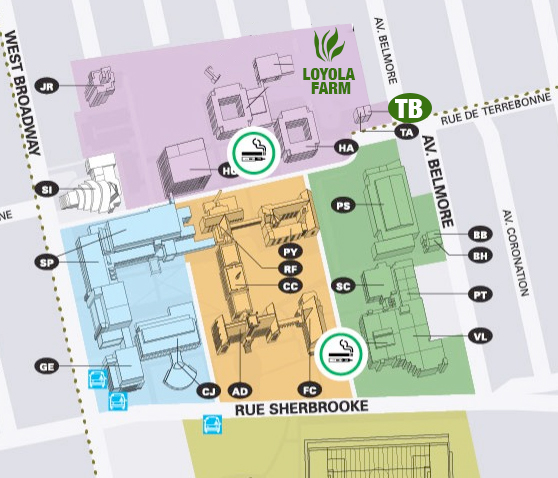
Spanning 12 biweekly sessions from May to October, the program combines classroom instruction with experiential learning on-site at Loyola Campus Farm. Participants will explore a wide range of advanced topics in agroecology, including regenerative agriculture, permaculture, urban foraging, SPIN (Small Plot Intensive) farming, and edible urban design. The program emphasizes ecological principles, food system resilience, and social economy practices relevant to urban farming.
A central component of the course is the co-management of a shared farm plot. Students will work in small teams to plan, plant, and maintain their plots throughout the season, organizing weekly tasks such as soil preparation, seeding, transplanting, pest management, harvesting, and infrastructure maintenance. This collaborative approach offers flexible engagement while providing practical experience in managing a small-scale urban farm. Students will also take home weekly harvest baskets and participate in a celebratory harvest event at the end of the course.
In addition to fieldwork and applied learning, the course includes one or more field trips to explore diverse urban farm models, providing students with exposure to innovative practices and real-world examples of urban agriculture in action.
This course supports students in acquiring not only advanced technical skills but also a deeper critical awareness of the relationships between food, environment, and society in urban contexts.



 Français du Canada
  English (Canada)