Cultivaction
[agrikon_wc_ajax_search]

Bienvenue à Cultivaction

Contact

Erik Chevrier, Ph.D.

Course Information

Meet Time: Ce cours se déroule toutes les deux semaines Les samedis de 9h00 à 12h00 du 4 mai au 30 novembre , 2024 Tuesdays evenings from 5:30 p.m. to 8:30 p.m., from May 6 to October 7.

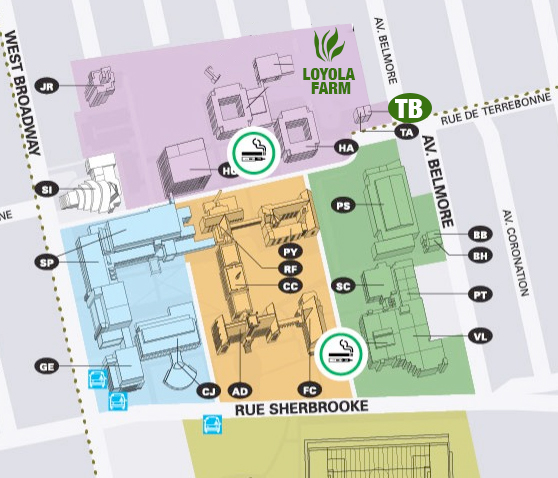
Loyola Farm Location: La Ferme Loyola est située à l'arrière du Campus Loyola. à l'arrière du bâtiment TB, 7079 Rue de Terrebonne, Montréal, Québec H4B 1E1.

Classroom Location: The Hive

Welcome to the Urban Agriculture Certificate -  Tuesday Course

Hello, everyone, my name is Erik Chevrier, Ph.D., and Mohammed Al-Duais, Ph.D., and we are your course instructors. This page is your go-to resource for everything you’ll need to fully engage in the course. We recommend visiting it every Monday before our Tuesday class. Here, you’ll find the class plan, supplemental readings, PowerPoint presentations, as well as any updates or changes regarding meeting times (especially in case of rain).

Every second Monday before your lesson, you’ll receive an email with details about the upcoming Tuesday class, including the lesson content and location. This information will also be posted on the course website. If you’re ever unsure about where to meet, please don’t hesitate to contact me using the email or phone buttons in the contact section.

We look forward to to meeting everyone on on May 6th! – Erik and Mohammed

Here is a list of items you should and could bring to each class. 

You should bring:

1 – Sun protection (sunscreen, hat, long sleeve shirt, etc.)
2 – Insect protection (bug repellant, bug hat, long sleeve shirt, pants, etc.)
3 – Proper gardening shoes or boots.
4 – Gloves (we have some but they get sweaty).
5 – Notebook, pen, pencil.
6 – Water to drink.
7 – Basket or bag to take home produce.
8 – Love for growing food. 

Items you could also bring:   

9 – Gardening tools. We have some but you can bring your own if you wish too. 
10 – Food for personal consumption and/or to share with others.
11 – A folding chair.

Course Schedule and Themes

The class plan will be available on the Monday preceding each class. While the dates remain fixed, please note that topics are subject to change based on weather conditions and course progress. Access the information for each class by clicking on the hyperlinks below. 

Course Description

La CultivAction Urban Agriculture Certificate Program (Intermediate Level) is a season-long, hands-on course designed for intermediate gardeners and urban farmers who wish to deepen their practical knowledge and critical understanding of urban food systems. This course builds on foundational gardening and farming skills and supports learners in becoming active contributors to community-based, ecological, and socially responsible food practices.

Spanning 12 biweekly sessions from May to October, the program combines classroom instruction with experiential learning on-site at Loyola Campus Farm. Participants will explore a wide range of advanced topics in agroecology, including regenerative agriculture, permaculture, urban foraging, SPIN (Small Plot Intensive) farming, and edible urban design. The program emphasizes ecological principles, food system resilience, and social economy practices relevant to urban farming.

A central component of the course is the co-management of a shared farm plot. Students will work in small teams to plan, plant, and maintain their plots throughout the season, organizing weekly tasks such as soil preparation, seeding, transplanting, pest management, harvesting, and infrastructure maintenance. This collaborative approach offers flexible engagement while providing practical experience in managing a small-scale urban farm. Students will also take home weekly harvest baskets and participate in a celebratory harvest event at the end of the course.

In addition to fieldwork and applied learning, the course includes one or more field trips to explore diverse urban farm models, providing students with exposure to innovative practices and real-world examples of urban agriculture in action.

This course supports students in acquiring not only advanced technical skills but also a deeper critical awareness of the relationships between food, environment, and society in urban contexts.

You Will Learn How To: 

  • Cultiver des aliments en milieu urbain (ou périurbain)
  • Incorporer les méthodes SPIN (Small Plot Intensive Farming) 
  • Devenir plus autonome en produisant une variété de fruits et de légumes à la maison ou dans la communauté.
  • Understand community food systems and apply knowledge to urban gardening/farming
  • Gérer une ferme urbaine basée sur l'économie sociale
  • Cultiver des plantes alimentaires annuelles et vivaces
  • Incorporer les méthodes de la permaculture dans le jardinage et l'agriculture urbaine
  • Get high production in an urban garden/farm
  • Understand gardening cycles – what to do in different seasons
  • Incorporez des champignons dans vos fermes/jardins urbains
  • Fourrage dans les zones urbaines
  • Utiliser des méthodes naturelles de lutte contre les parasites
  • Distinguer les mauvaises herbes des plantes et fleurs utiles

Suggested Readings

  1. Braiding Sweetgrass: Indigenous Wisdom, Scientific Knowledge, and the Teachings of Plants.
  2. A Foodie’s Guide to Capitalism: Understanding the Political Economy of What we Eat.
  3. Agroecology and Regenerative Agriculture: Sustainable Solutions for Hunger, Poverty and Climate Change.
  4. Integrated Urban Agriculture: Precedents, Practices, Prospects.
  5. Gaia’s Garden: A Guide to Home-Scale Permaculture.
  6. The Essential Urban Farmer, Penguin Books.
  7. Nature’s Matrix: Linking Agriculture, Biodiversity Conservation and Food Sovereignty. 
  8. Building Soils for Better Crops: Ecological Management for Healthy Soils. 
×
fr_CAFrançais du Canada