Cultivaction
[agrikon_wc_ajax_search]

Bienvenue à Cultivaction

Urban Agroecology Beginner Course (Loyola)

This course It is ideal for beginner urban gardners and urban farmers interested in ecological and social justice. 

New to growing food? Start here.

La CultivAction Urban Agroecology Beginner Course is a welcoming, hands-on introduction to urban gardening and farming for people who are ready to start growing — whether in a backyard, on a balcony, in a community garden, or anywhere food can take root.

Designed for those new to growing, this course builds essential skills and confidence through practical learning and supportive community. No prior experience required — just curiosity and a willingness to get your hands in the soil.

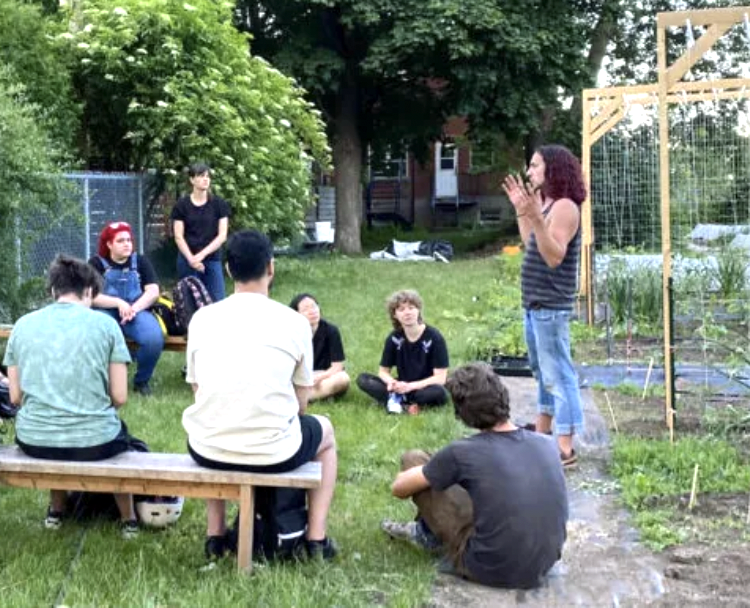
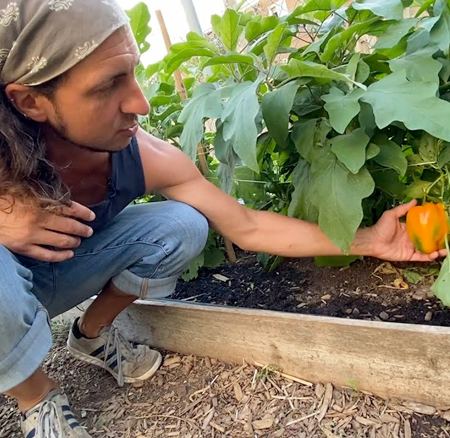
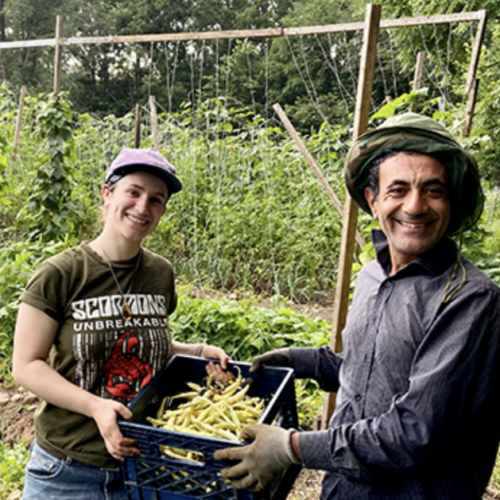
Through biweekly evening sessions, field visits, and guest growers, you’ll learn the fundamentals of growing food in urban spaces: soil preparation, planting techniques, seasonal crop care, watering, harvesting, and garden planning. Each session blends guided instruction with real-world practice so you can apply what you learn right away.

Along the way, you’ll be introduced to agroecology — an approach to growing food that works with nature while strengthening communities. Agroecology emphasizes healthy soil, biodiversity, ecological balance, and the idea that food growing is not just about plants, but about people, access, and care for the land. You’ll begin to see how even a small urban garden connects to larger food systems and community resilience.

Just as important as what we grow is how we learn together. The course fosters a supportive learning community where participants share questions, discoveries, challenges, and the excitement of seeing seeds sprout and gardens take shape. Growing food can feel intimidating at first — but it becomes far more rewarding when done collectively.

By the end of the course, you’ll leave with practical skills, growing confidence, and the foundation to continue cultivating food — and community — in your own space.

Let’s get growing.

Offered in-person at Concordia’s Loyola Campus, the course emphasizes experiential learning and community connection, with minimal commitments beyond class time. By the end of the program, participants leave with the knowledge, practical tools, and ecological understanding needed to begin growing food successfully and sustainably in their own spaces.

Join the Urban Agroecology Movement!

The CultivAction Urban Agroecology Beginner Course invites you to participate in a social, ecological, and political movement that is reshaping local food systems. Industrial agriculture drives environmental destruction, climate instability, and social inequities, and global food systems often fail to provide equitable access to healthy food. Through urban agroecology, we work collectively to build resilient, sustainable, and community-centered food networks.

In this hands-on course, you’ll learn how to design and manage productive urban gardens and farms, care for soil and water, plan seasonal plantings, integrate perennial and annual crops, and use agroecological principles to enhance the biodiversity and resilience of your growing space. Whether you tend a backyard, a balcony, or a shared urban farm plot, the skills you gain will allow you to put theory into practice, creating thriving spaces that benefit both people and the environment.

Beyond practical skills, the course emphasizes community-building, food sovereignty, and systemic thinking, showing how urban farming/gardening connects to broader ecological and social change. Participants leave with the knowledge and experience to cultivate productive, sustainable gardens and to actively contribute to stronger, more resilient urban food systems.

QUESTIONS?

SUIVEZ-NOUS !

2026 PROGRAM SCEDULE

Ce cours se déroule toutes les deux semaines Les samedis de 9h00 à 12h00 du 4 mai au 30 novembre , 2024 Tuesday evenings from 5:30 p.m. to 8:30 p.m., May 12 to October 13. As daylight hours shorten in the fall, class times are adjusted to end earlier.

1. May 12
2. May 26
3. June 9
4. June 23
5. July 7
6. July 21

7. August 4
8. August 18
9. September 1
10. September 15
11. September 29
12. October 13

Intermediate gardeners and farmers are encouraged to enroll in the Urban Agroecology Intermediate Course for more advanced training.

If Tuesday evenings don’t fit your schedule, consider exploring our Online Urban Agriculture Mini Course or our Saturday courses in Senneville.

Pricing and Registration

This course sold out for the last three years in a row – so register fast!

Cost for community members

$900
 (Register With a Friend and Both Pay Early Bird Rates)
$1000 (after March 23, 2026)

This course sold out the last three years—reserve your spot soon!

Cost for Concordia Students

As a fee levy contributor, Concordia University students can take advantage of our special subsidized rate and pay just $300 for registration!

Subsidized spaces are limited—register soon!

Accessibility

Nous donnons la priorité à l'accessibilité de la communauté tout en garantissant une rémunération équitable à nos travailleurs. Les personnes qui ne sont pas en mesure de payer l'intégralité des frais ont deux options :

  1. Faire un Affordability Rate Request   
  2. Apprendre par Le bénévolat 

A propos du cours

A propos du cours

This urban agriculture course is offered biweekly for the entire growing season.

The course consists of 12 engaging classes beginning in May finishing in October.

The course is for adults of all ages who want to learn how to grow nutritious food in an urban setting.

Whether you are looking to transform your property into an edible garden, learn how to maintain a community garden, or you want to improve your existing gardening skills, this course will provide you with theoretical knowledge and practical skills to support your journey towards becoming more self-sufficient.

No prior gardening experience? No problem!
This course is designed to be accessible, fun, and inspiring for everyone, whether you’re a total beginner or looking to refine your skills.

Topics Include

  • Introduction à l'agriculture urbaine, à l'agriculture régénérative, à la permaculture, à la cueillette urbaine, à l'urbanisme comestible et à l'agriculture SPIN.
  • Mise en place d'un jardin ou d'une ferme urbaine - Semis, transplantation, construction d'une infrastructure
  • Un sol sain - Systèmes et cycles alimentaires régénératifs
  • Mycologie et culture des champignons
  • Introduction à l'écologie végétale - Entretien d'un jardin annuel
  • Introduction à l'écologie végétale - Entretien d'un jardin de plantes vivaces
  • Différentes formes d'exploitations agricoles urbaines - Excursion sur le terrain
  • Solutions naturelles aux problèmes courants de jardinage
  • Un sol sain, des plantes saines
  • Post-récolte, conservation des semences, conservation
  • Mettre le jardin au lit
  • Fête des récoltes
 

You will learn how to:

  • Cultiver des aliments en milieu urbain (ou périurbain)
  • Incorporer les méthodes SPIN (Small Plot Intensive Farming) 
  • Devenir plus autonome en produisant une variété de fruits et de légumes à la maison ou dans la communauté.
  • Understand community food systems and apply knowledge to urban gardening/farming
  • Gérer une ferme urbaine basée sur l'économie sociale
  • Cultiver des plantes alimentaires annuelles et vivaces
  • Incorporer les méthodes de la permaculture dans le jardinage et l'agriculture urbaine
  • Get high production in an urban garden/farm
  • Understand gardening cycles – what to do in different seasons
  • Incorporez des champignons dans vos fermes/jardins urbains
  • Fourrage dans les zones urbaines
  • Utiliser des méthodes naturelles de lutte contre les parasites
  • Distinguer les mauvaises herbes des plantes et fleurs utiles

Students will also benefit from sessions with guest experts, bringing specialized knowledge directly to the course.

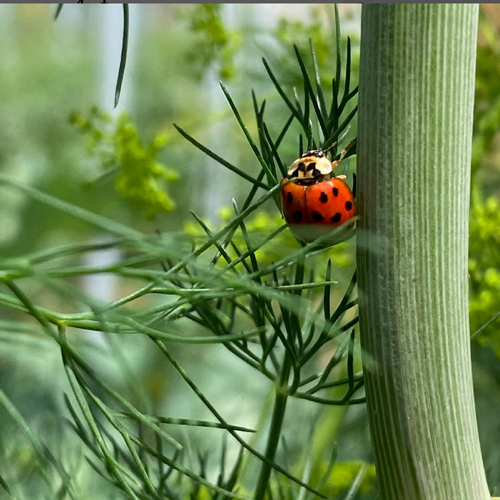
Dr. Emma Despland will provide a lecture on garden and farm insects, while Justin Krieger from Hive Free Lunch will lead a hands-on workshop on food preservation. These expert-led sessions complement the practical, hands-on learning on the farm, giving participants deeper insights and additional tools to apply in their own gardens, farms, or urban growing spaces. 

About the Instructors

ERIK CHEVRIER, Ph.D. Part-time Professor at Concordia University

Erik Chevrier Ph.D. is an educator, researcher, and advocate for socially just and ecologically responsible food systems at Concordia University. He teaches courses including Urban Agriculture, Food and Culture, Food and Sustainability, et Ecological Economics, combining hands-on learning with critical participatory action research to empower students as community leaders, urban farmers, and sustainability advocates.

He has co-founded and co-created organizations, research projects, and educational programs such as the Concordia Food Coalition, Divest Concordia, the Hive Café Co-op, the Concordia Action Research Network (CARN), and the non-profit solidarity urban farming cooperative CultivAction.

Erik also developed an online archive and framework to support food sovereignty on campus, linking research and practice to strengthen equitable, resilient, and ecologically grounded food systems.

MOHAMMED AL-DUAIS, PhD, Professeur à temps partiel à l'Université Concordia

Mohammed Al-Duais, biologiste spécialisé dans l'écologie végétale et la phytochimie, possède plus de 17 ans d'expérience dans les domaines de la durabilité, de l'agroforesterie et de la conservation de la nature. Il se concentre sur des projets bénéficiant aux communautés marginalisées et aux petits exploitants agricoles au Canada et au Moyen-Orient. Il possède une expertise en matière d'enseignement universitaire, de gestion de projets, de rédaction de demandes de subventions et de renforcement des capacités.

Graduates Will Earn a Course Certificate in Beginner Urban Agroecology and Can Get a Reference For Future Employers

Coop CultivAction Farm at Loyola Campus

The CultivAction Farm atLoyola Farm is located at the back of Concordia University, Loyola Campus – TB building.
Address: 7079 Rue de Terrebonne, Montreal, Quebec H4B 1E1.

Plan du campus

Birds-eye View

Google Map

×
fr_CAFrançais du Canada